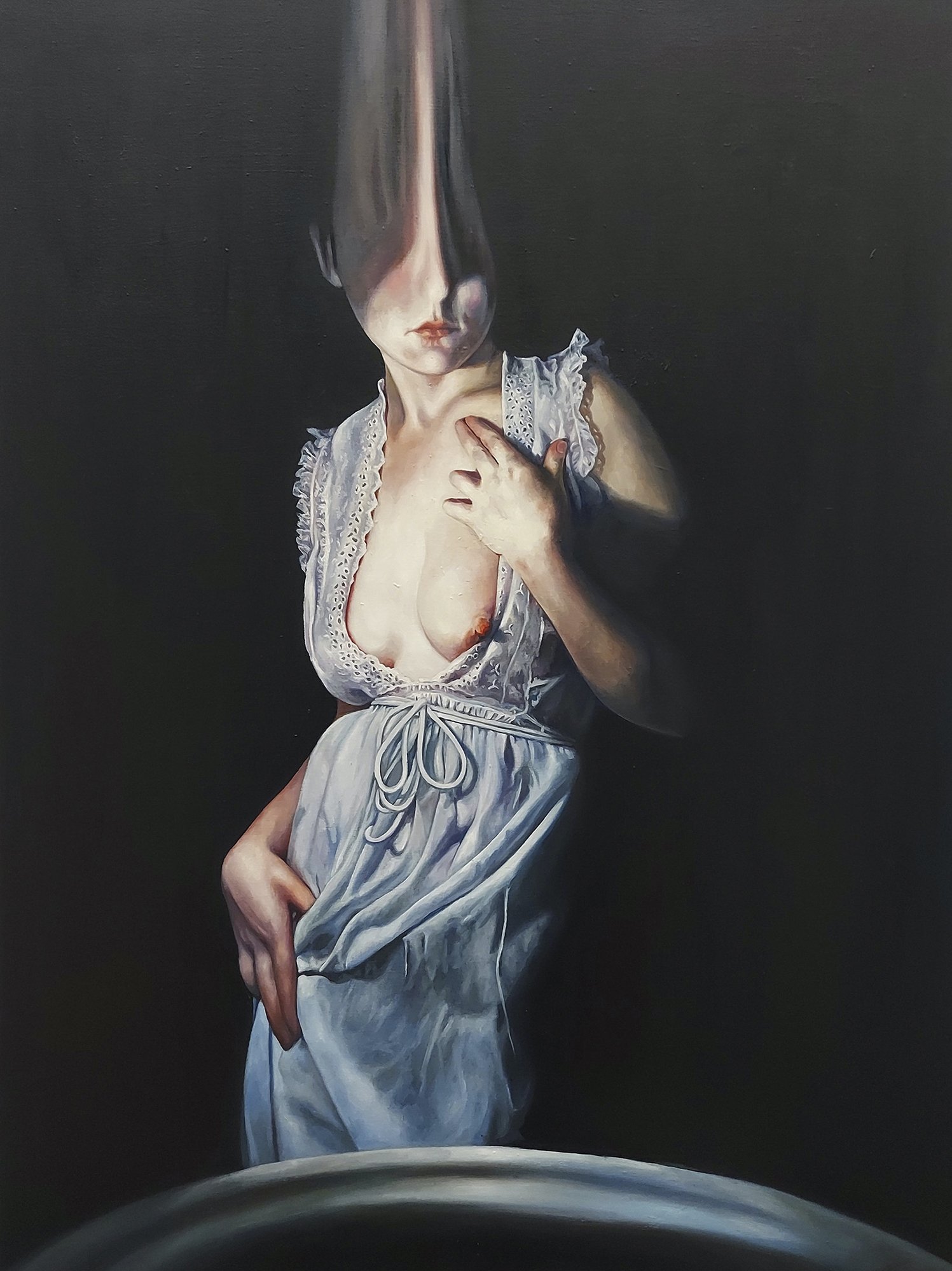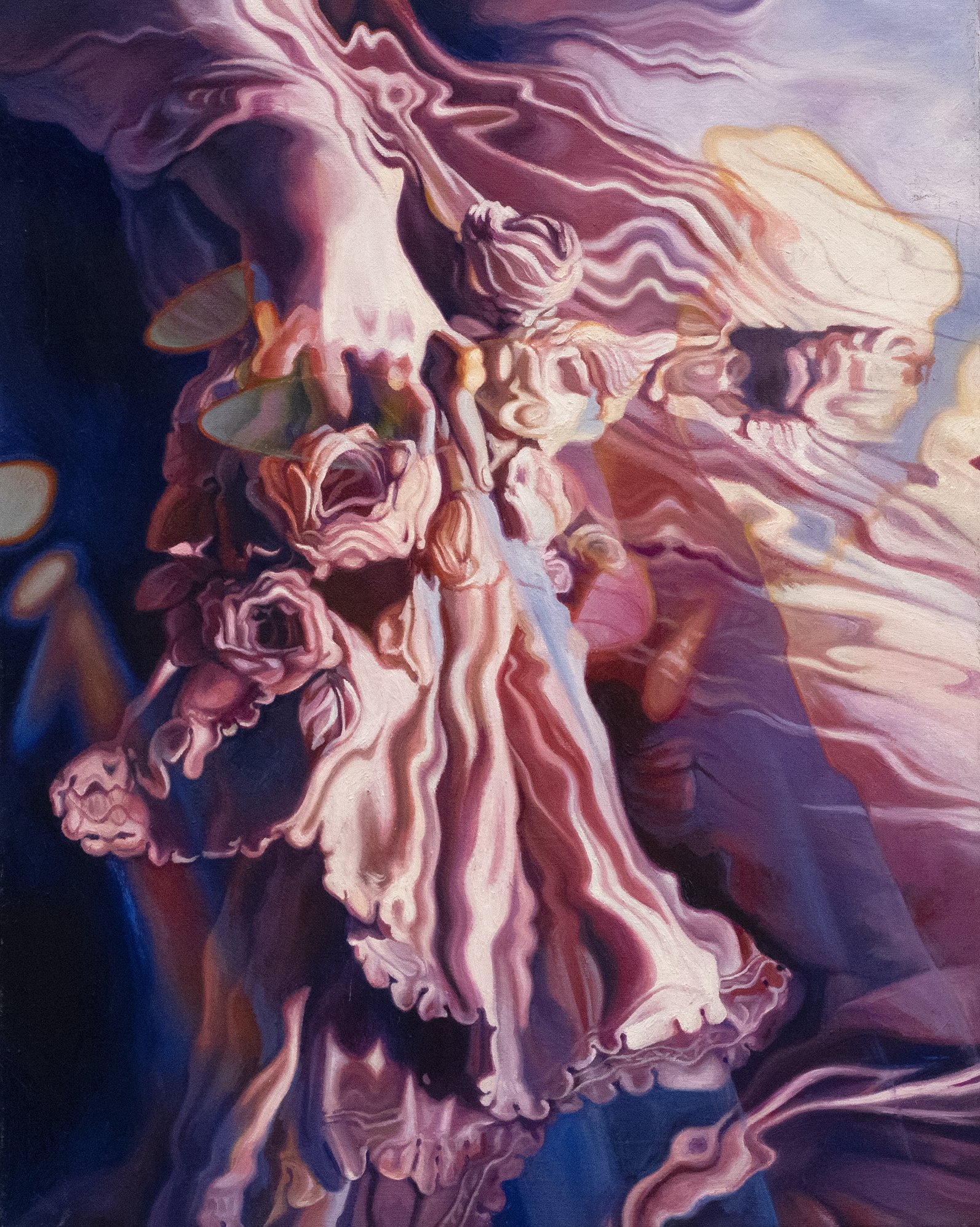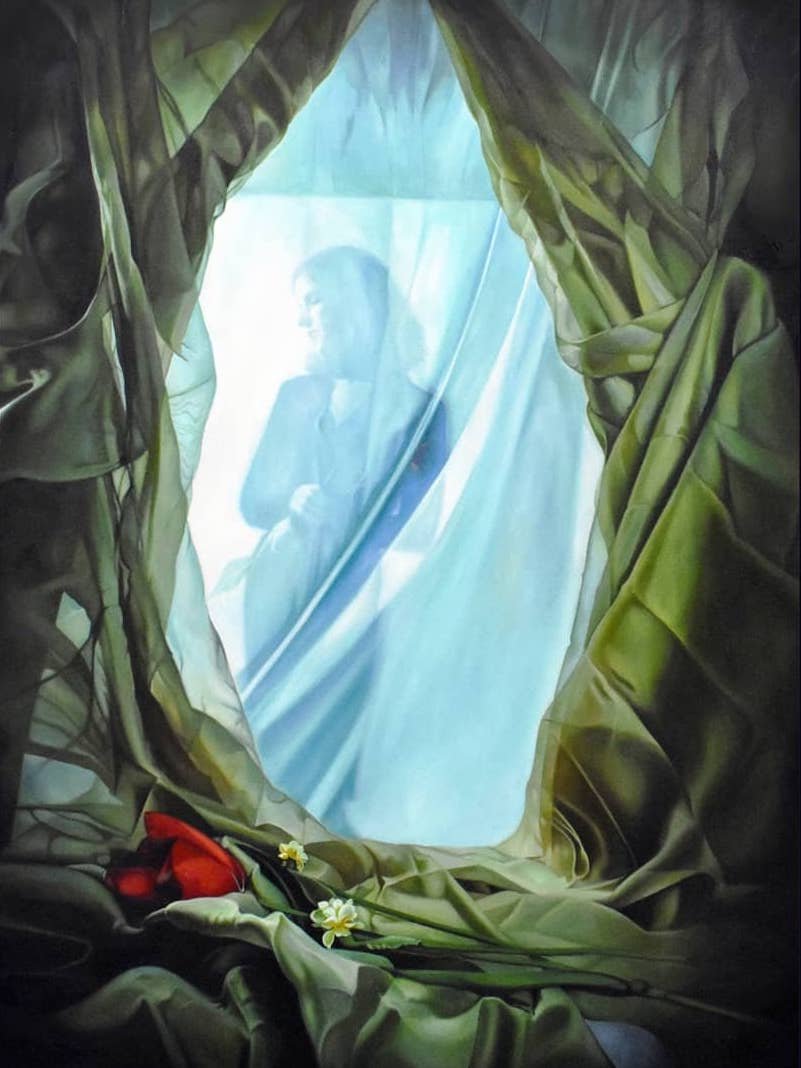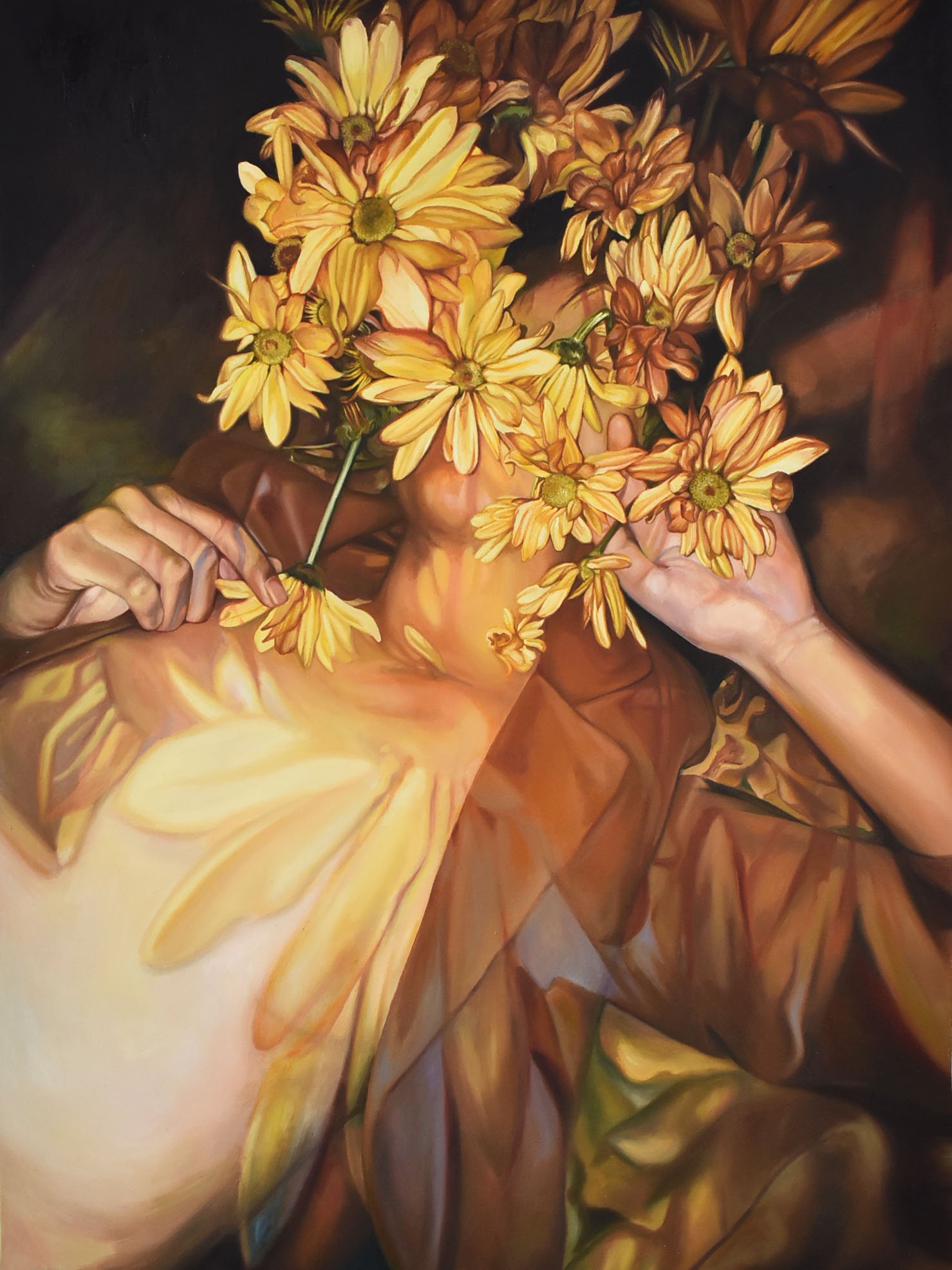
Euphoria II, oil on canvas, 40 x 30 in. 2024
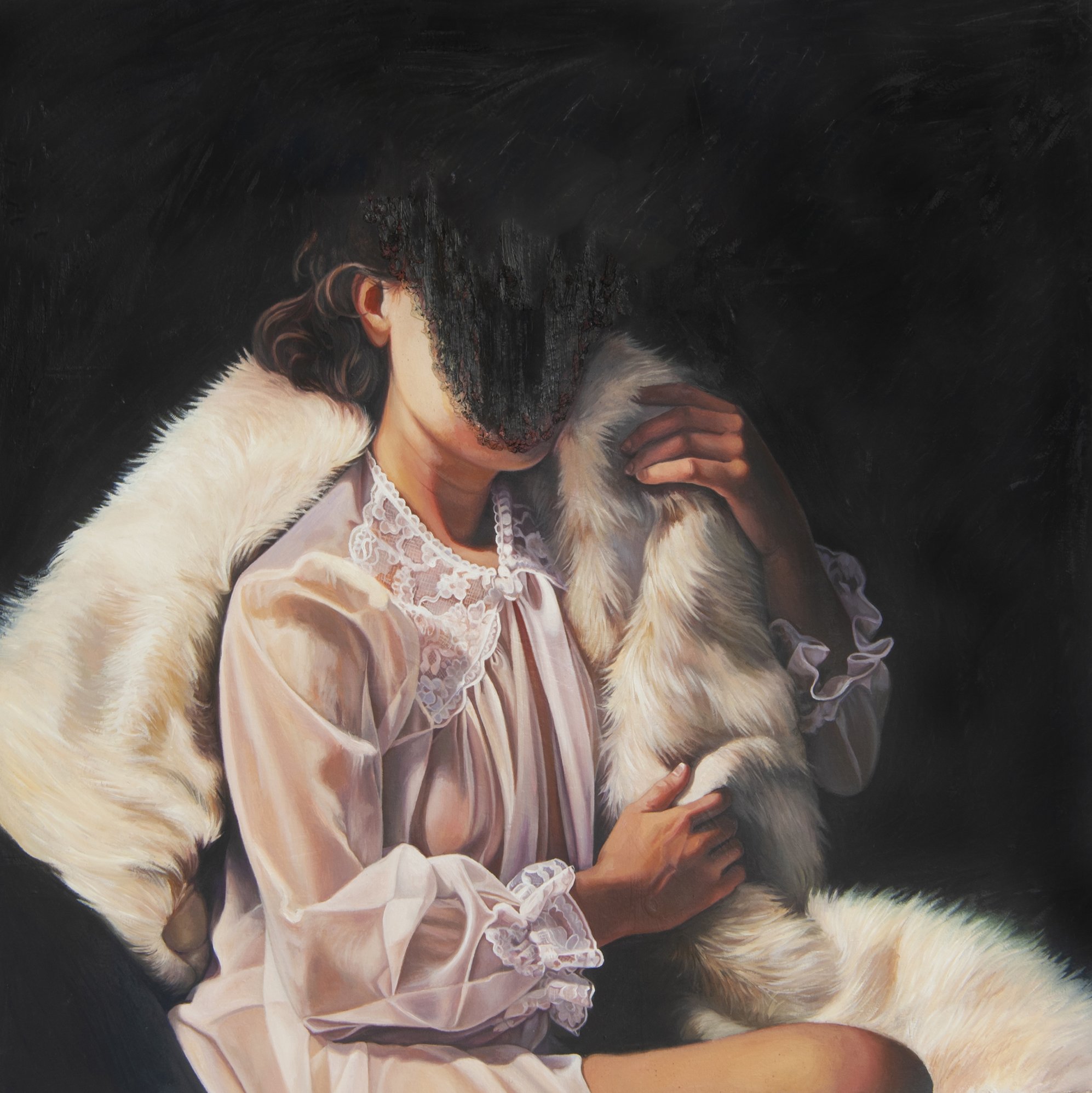
Presence, oil on panel, 24 x 24 in. 2019
Atrocity, oil on canvas, 40 x 30 in. 2017
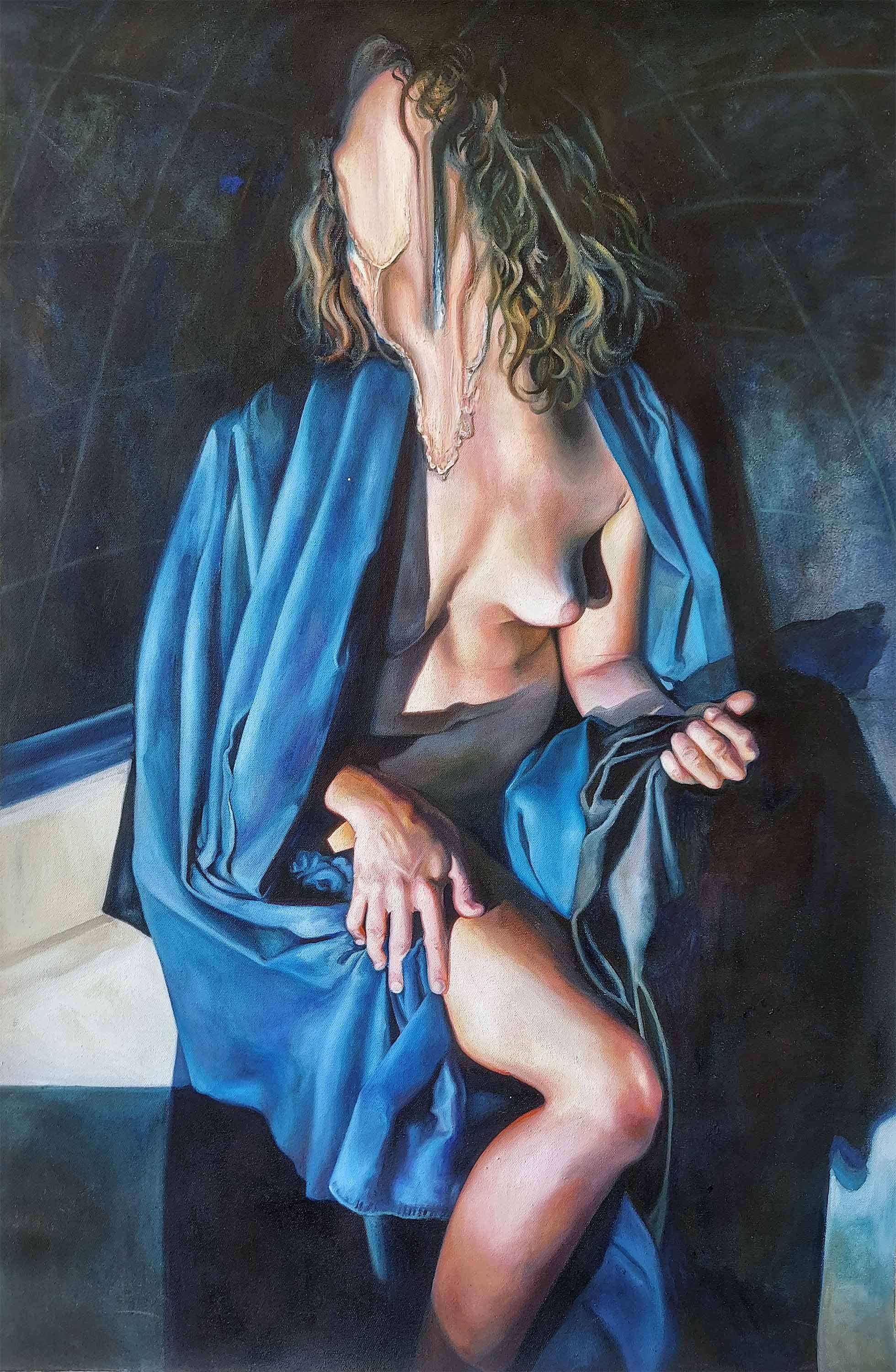
Hollow, oil on canvas, 40 x 28 in. 2018
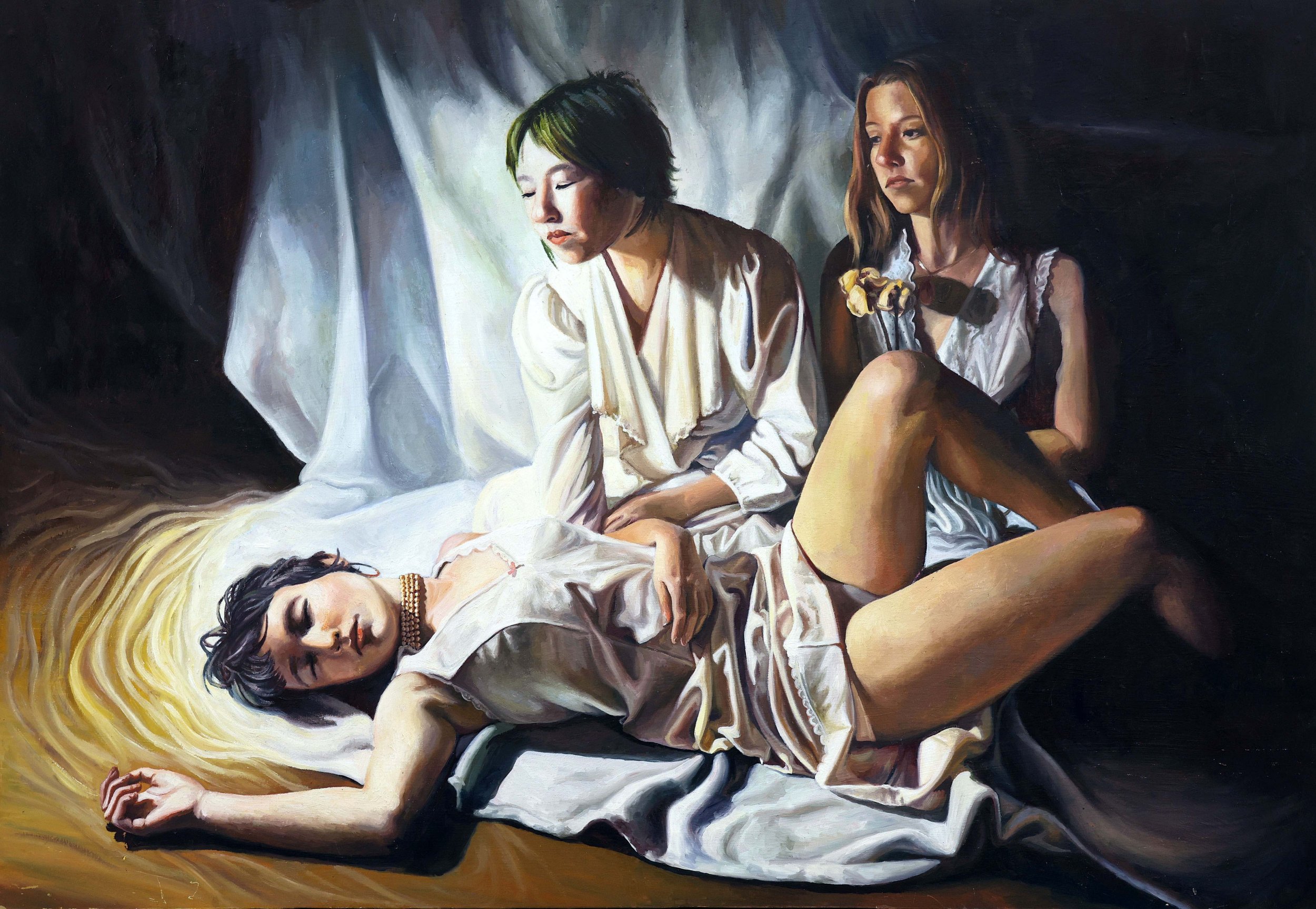
Deposition, oil on panel, 24 x 36 in. 2017
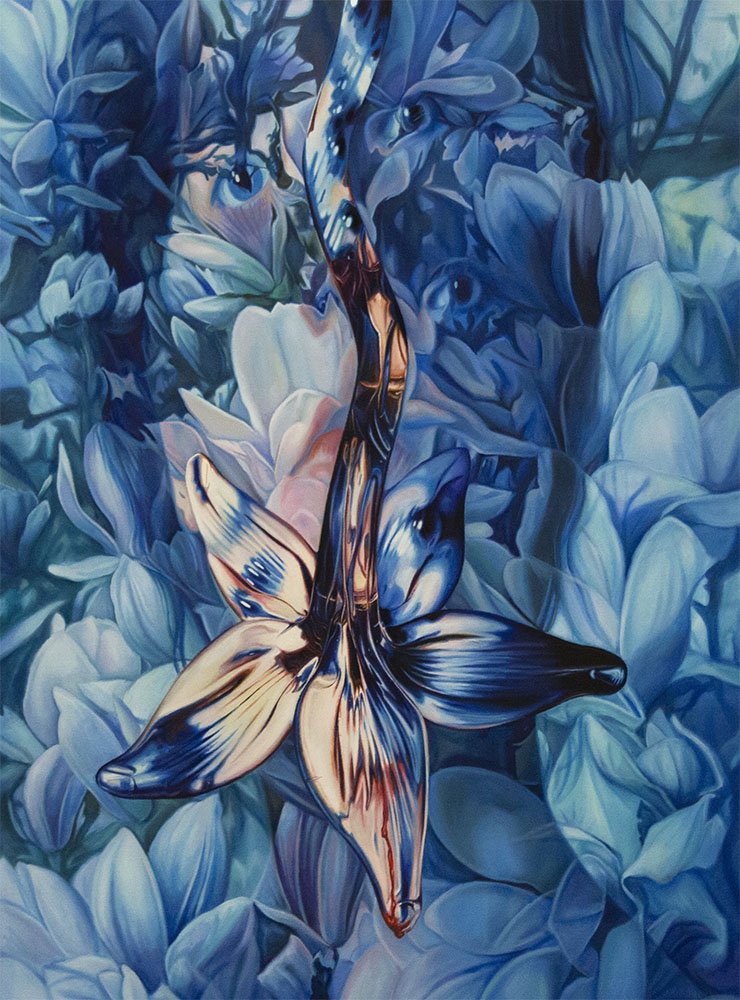
Strange Loop, oil on canvas, 40 x 30 in. 2024
Colors of Devotion, oil on canvas mounted to panel, 24 x 18 in. 2018
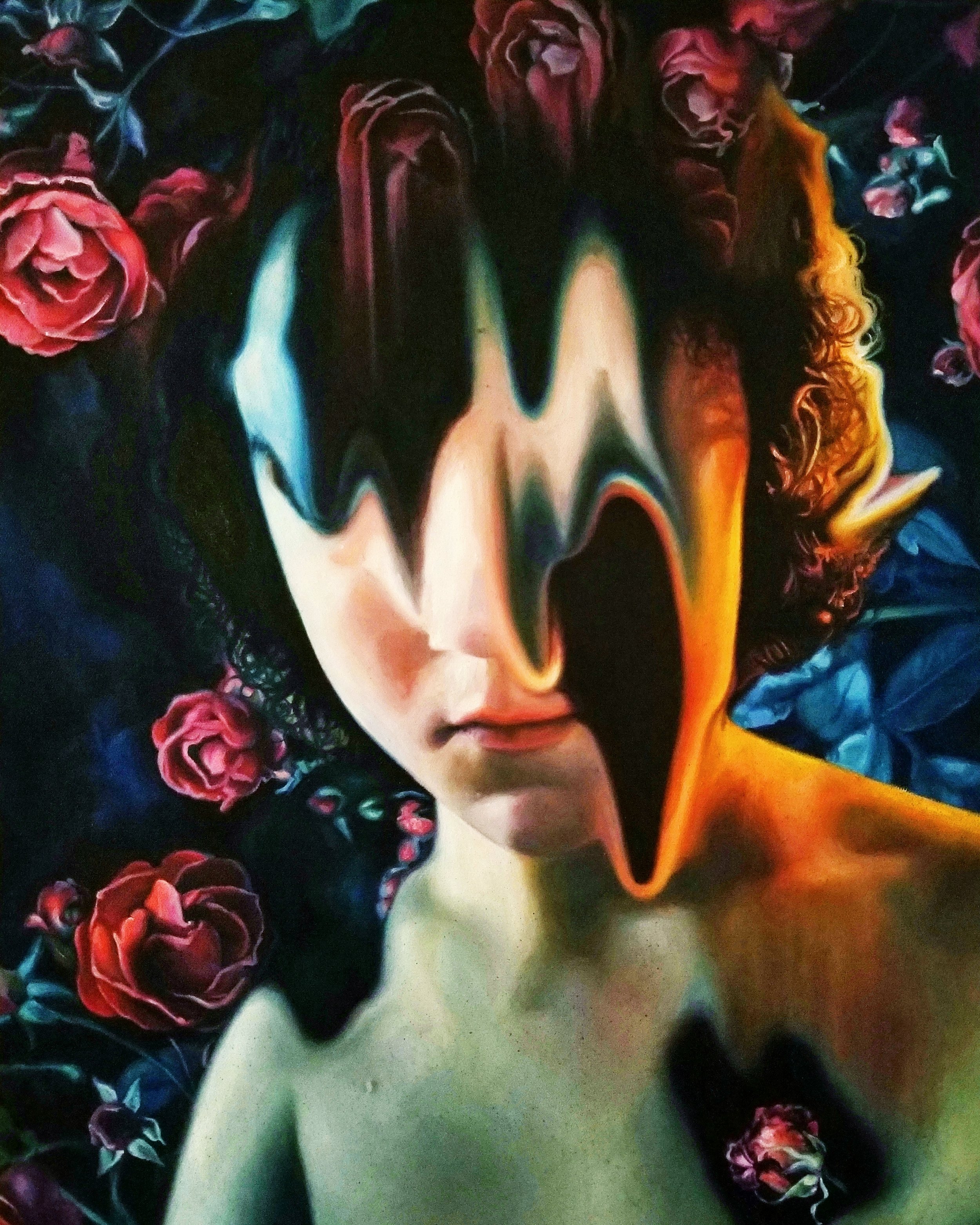
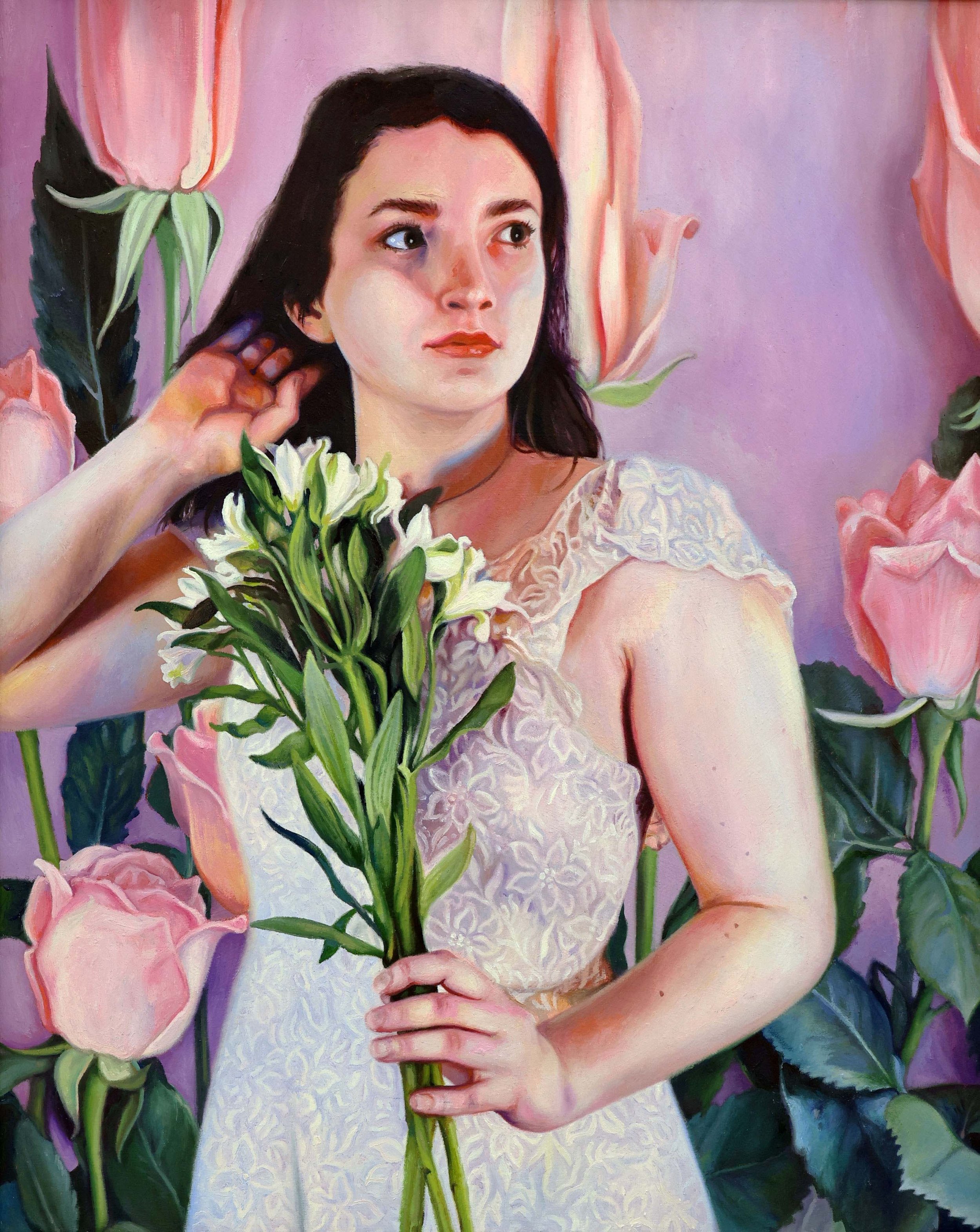
Self Portrait with Roses, oil on canvas, 36 x 24 in. 2019
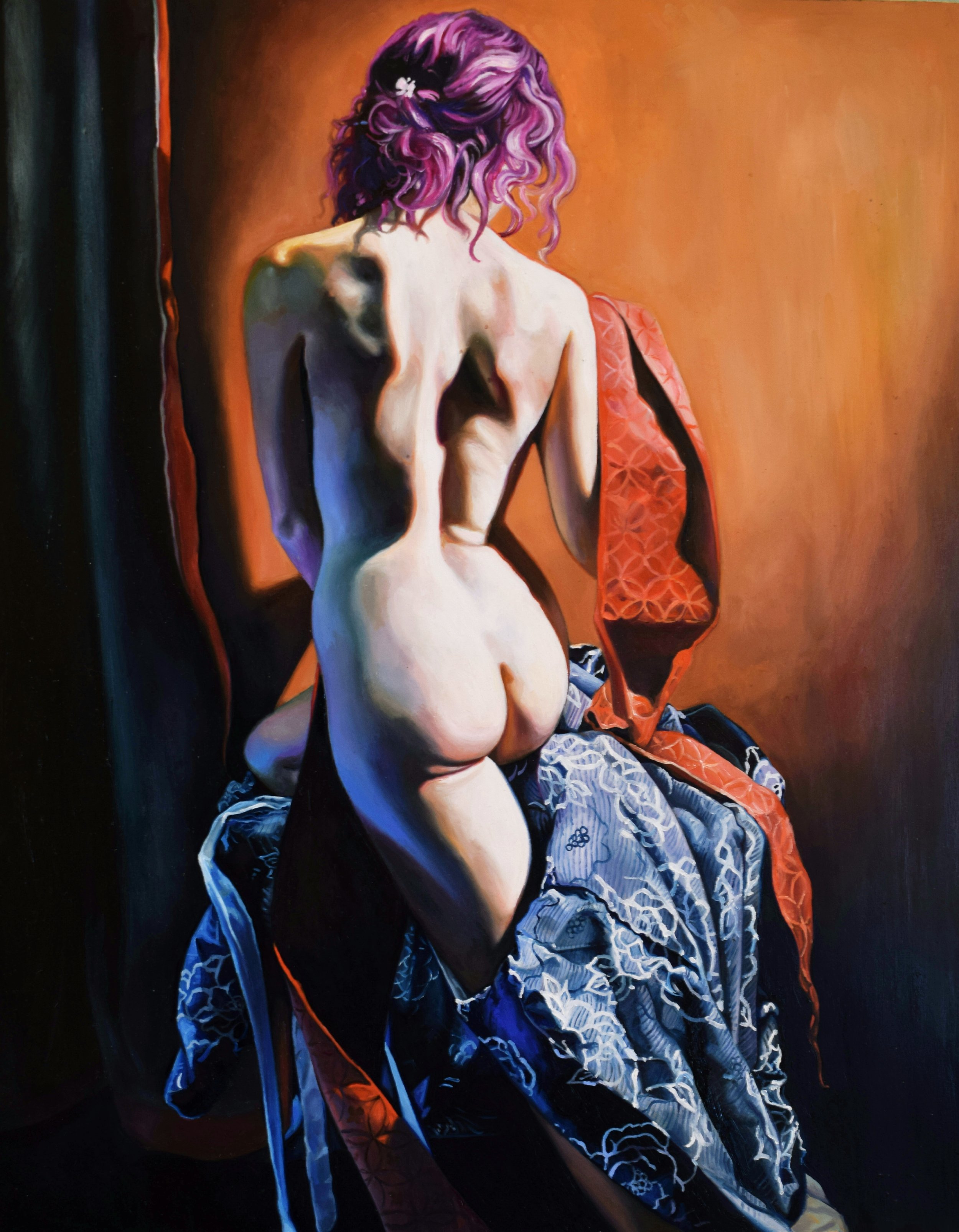
Woman in Red and Blue, oil on wood panel, 24 x 18 in. 2018
Deposition, detail
Wound, oil on canvas 48 x 36 in. 2020
Nude Study I, oil on canvas, 12 x 9 in. 2019
Nude Study II, oil on canvas, 12 x 9 in. 2019
Untitled, oil on panel, 36 x 18 in. 2019
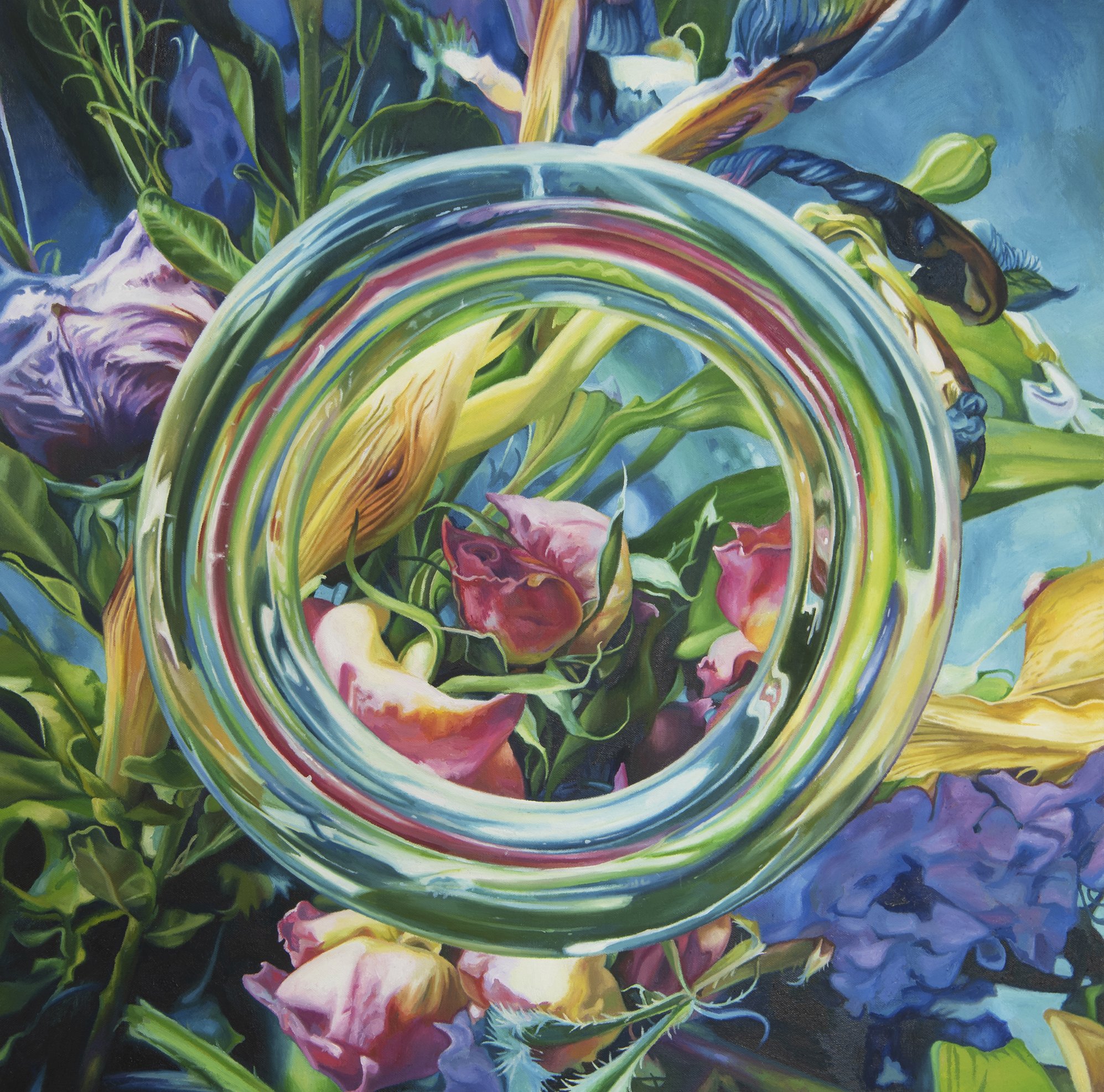
Torus, oil on canvas, 24 x 24 in. 2021
Reverie I, oil on canvas, 24 x 24 in. 2019
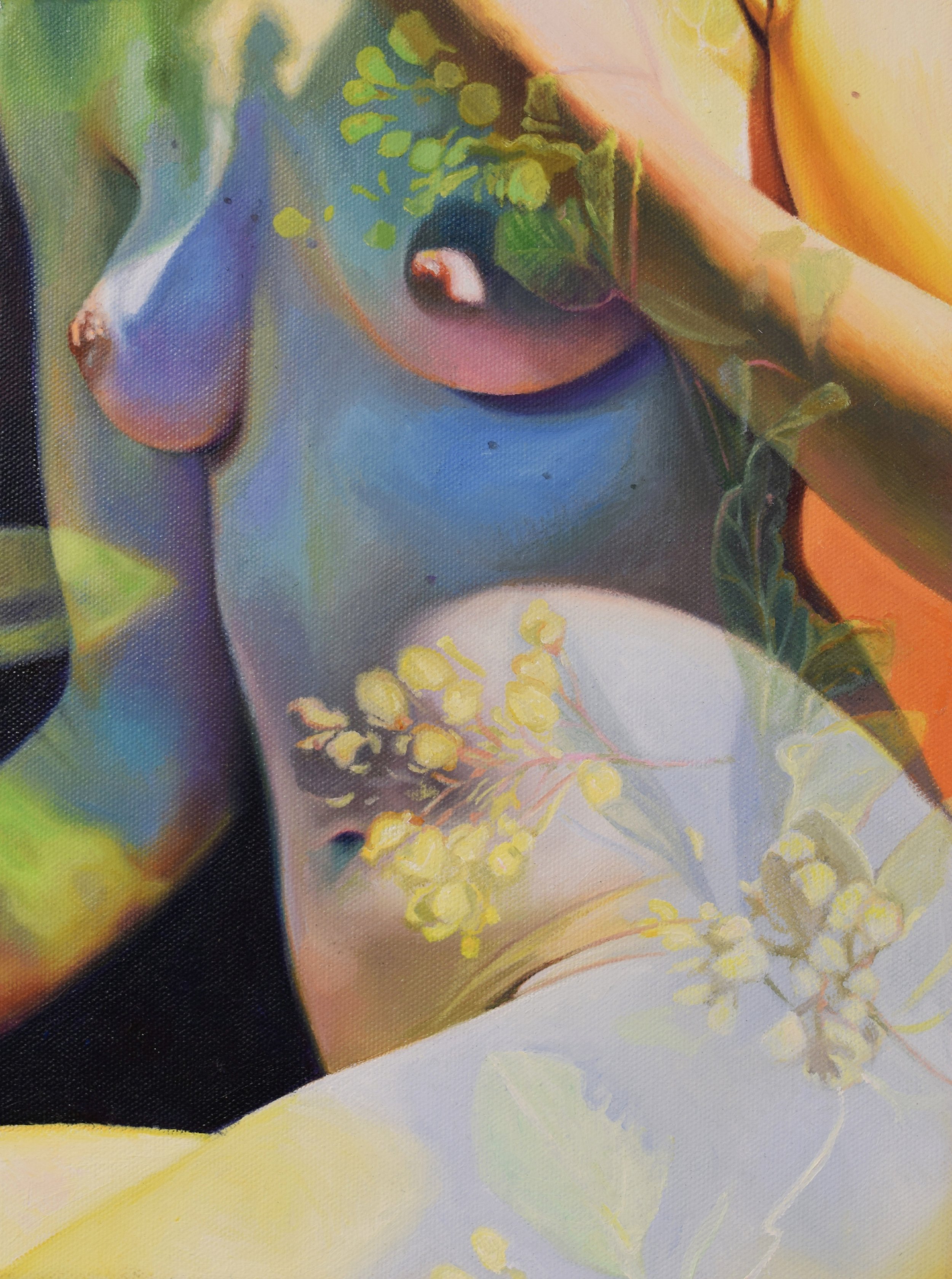
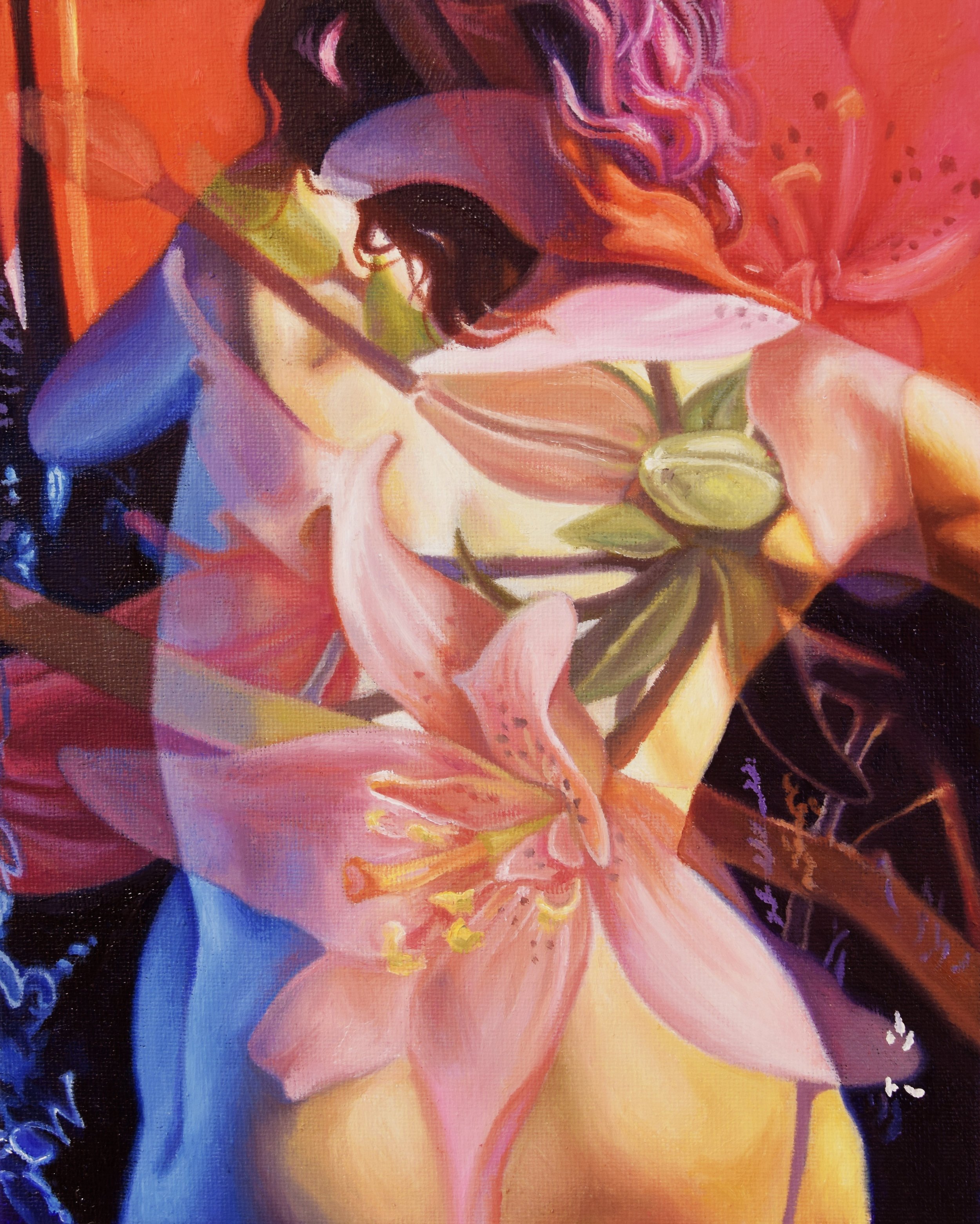
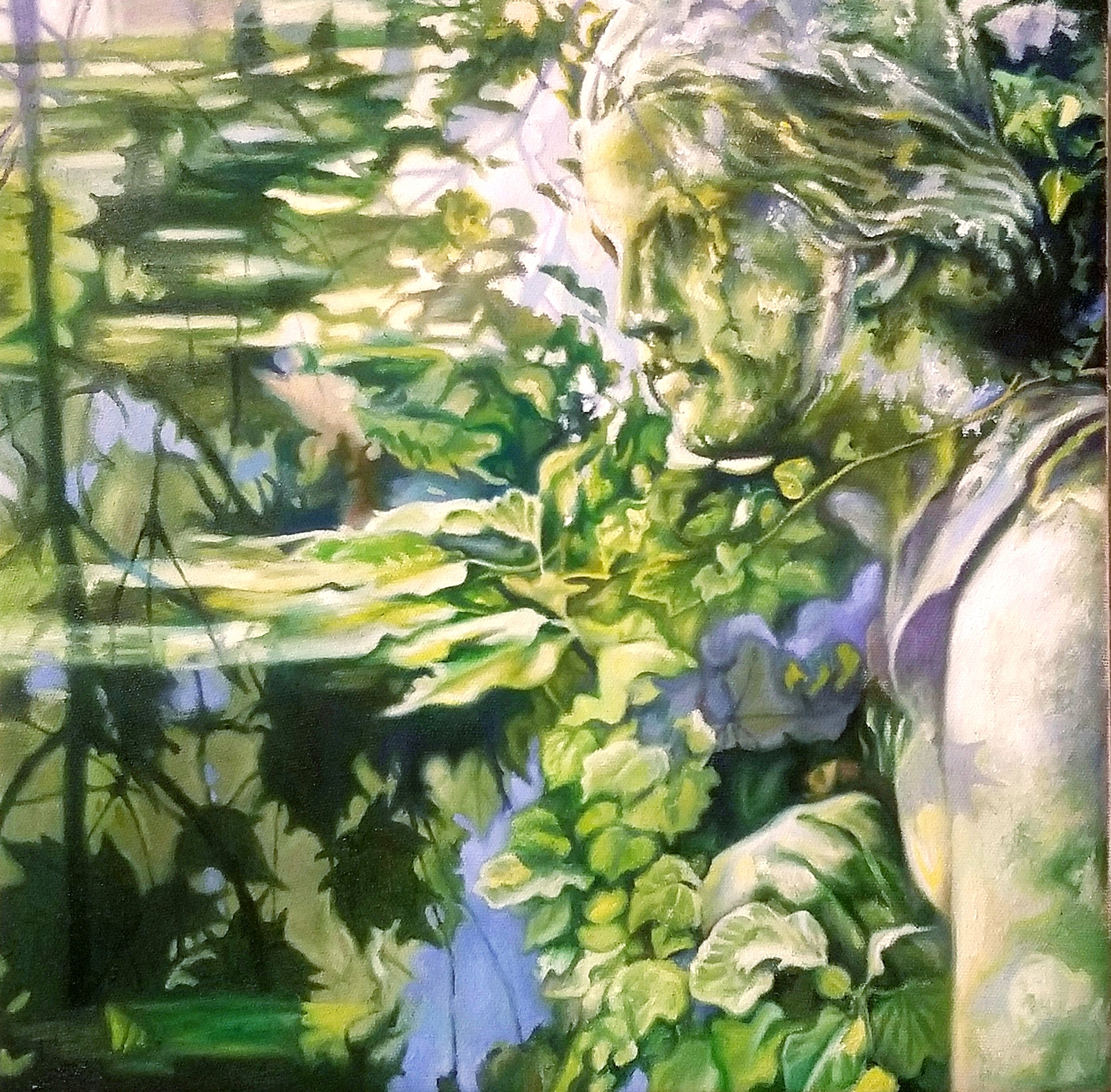
Euphoria is an early body of work that examines emotional intensity as a destabilizing force, focusing on states of vulnerability, unease, and heightened perception. The paintings explore moments where intimacy and discomfort coexist, and where emotional extremes blur distinctions between care and harm, pleasure and pain.
Figures appear suspended in psychologically charged spaces, rendered with a combination of realism and distortion that resists narrative resolution. Rather than illustrating specific experiences, the work lingers in ambiguity, allowing contradictions—such as tenderness and anxiety, attraction and repulsion—to remain unresolved.
Ethical and spiritual questions underlie the series without being explicitly stated. References to morality, suffering, and transcendence emerge indirectly through bodily tension and compositional instability. Euphoria does not seek clarity or catharsis, but instead attends to the fragile boundary between opposing states when felt with intensity.